
The 365Rider affiliate opportunity is most relevant to running, cycling, swimming, triathlon, and endurance-sport publishers who can turn specialist product knowledge into useful buying guidance. Begin by checking the current opportunity through InfluencerRate, then confirm the correct market and application route. Public listings differ by country and platform, while an older official ambassador page is no longer live, so verify every commercial term before you build a campaign around it.
Want to explore the 365rider affiliate program?
Create a free InfluencerRate account to discover available brand opportunities and apply.
Join InfluencerRate Already have an account? Log in.
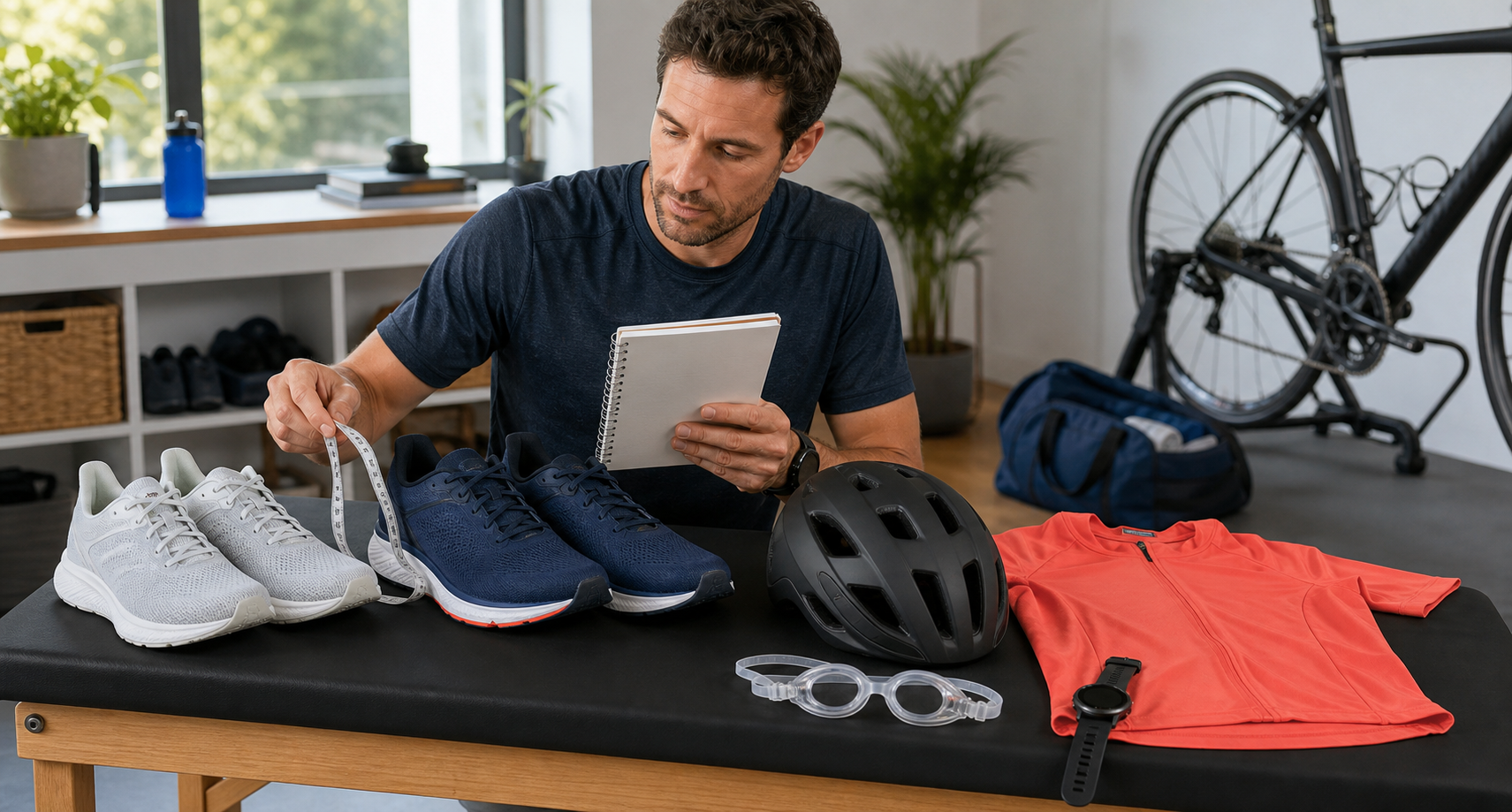
Who Is the 365Rider Opportunity For?
365Rider currently carries a wide endurance-sport catalog: running shoes and apparel, cycling clothing and components, swim equipment, triathlon gear, sport electronics, hydration products, recovery accessories, and nutrition. That breadth is useful only when you narrow it to a discipline your audience trusts you to explain.
A running-shoe reviewer, cycling maintenance channel, open-water swimming publisher, triathlon newsletter, or endurance-travel creator can each find a credible angle. The common requirement is decision support. Readers need help with fit, compatibility, use conditions, tradeoffs, and the difference between a product feature and a result they can expect.
The program may be a poor fit if your channel promotes unrelated offers without specialist context, if most followers cannot shop through the relevant market, or if you cannot assess higher-risk products responsibly. A creator who has never adjusted a helmet, fitted a cycling component, or used a sport watch should not present beginner research as expert testing.
Pick One Discipline and One Buying Problem
Start with the problem your audience already brings to you. A runner may need help distinguishing daily trainers from faster shoes. A cyclist may need a checklist for confirming component compatibility. A swimmer may be choosing goggles for pool training versus open water. A triathlete may want to reduce transition-bag clutter.
Define the campaign in one sentence: For this audience, I will compare these options against these criteria in this real use case. If that sentence contains several sports, many product categories, or an undefined audience, narrow it again.
Use these filters before selecting a product:
- Expertise: Can you explain the decision without repeating the product page?
- Evidence: Can you inspect, measure, use, or compare the item under appropriate conditions?
- Risk: What could go wrong if a reader misunderstands your recommendation?
- Relevance: Does the product solve an established audience question?
- Maintenance: Can you keep price, stock, sizing, compatibility, and links current?
Match Your Test to the Product Risk
A sports retailer combines relatively straightforward apparel with products that affect safety, equipment function, or nutrition decisions. Your evidence standard should rise with the consequence of a bad choice.
| Product type | Useful creator evidence | Important boundary |
|---|---|---|
| Running shoes | Foot and shoe measurements, size chosen, terrain, pace context, distance used, fit observations, and comparison model | Do not promise injury prevention or universal comfort |
| Cycling apparel | Body context, position on the bike, movement, pocket access, weather, visibility, and care | Do not generalize one rider's fit to every body |
| Helmets and safety gear | Published standards, correct sizing process, adjustment features, condition, and manufacturer instructions | Never invent certification or imply a casual test proves protection |
| Components | Exact model, dimensions, interface, tools, setup conditions, and qualified installation guidance | Visual similarity does not establish compatibility |
| Sport watches and sensors | Device compatibility, setup, battery conditions, signal behavior, interface, and repeated-route comparison | Do not treat consumer readings as medical diagnosis |
| Swim equipment | Fit, seal, visibility, water conditions, duration, and care after use | Pool experience does not establish open-water suitability |
| Sports nutrition | Ingredient-label context, serving used, activity conditions, taste, packaging, and relevant personal limits | Avoid medical, treatment, or guaranteed performance claims |
Keep original notes, photographs, settings, and product identifiers. Distinguish your observations from manufacturer statements. If a qualified mechanic, coach, fitter, or clinician is needed, say so instead of stretching your authority.
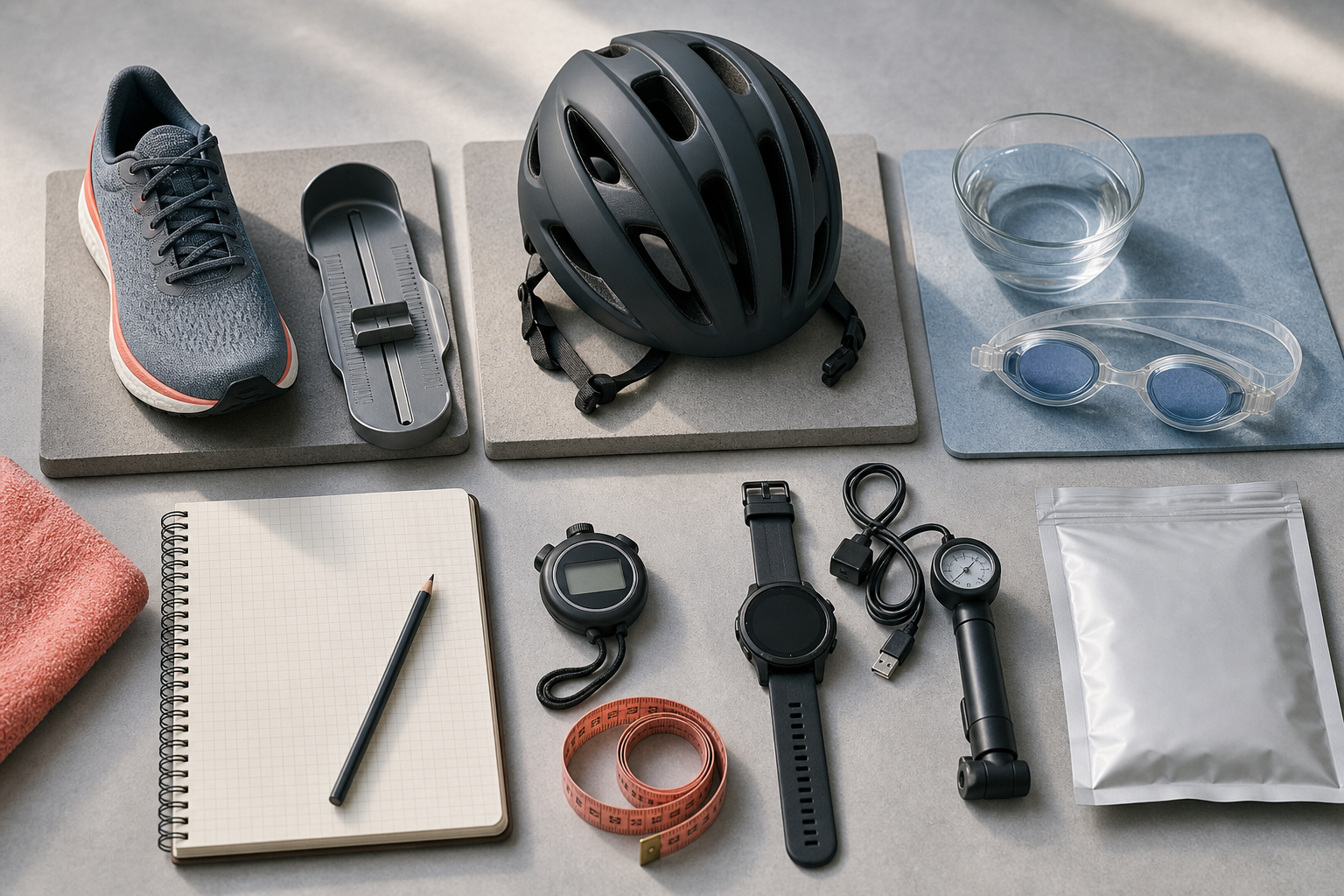
Content Formats That Help Athletes Choose
A Decision Guide
Explain how to choose among product categories before naming a favorite. For running shoes, that might mean intended use, fit volume, stability preference, terrain, and rotation role. For watches, it could cover phone compatibility, navigation needs, battery priorities, sensor support, and interface complexity. A sound guide remains useful when specific models change.
A Controlled Comparison
Set the criteria before testing and keep conditions as similar as practical. Compare two products for the same runner, route, ride, pool session, or equipment setup. Report meaningful differences and uncertainty. Do not declare a universal winner when the choice depends on body, skill, climate, or existing equipment.
A Setup Walkthrough
Show a correct, safe process within your competence: pairing a sensor, organizing a transition bag, checking shoe size, fitting goggles, or confirming a component specification before professional installation. Include the point where a viewer should stop and consult the manufacturer or a qualified service provider.
A Longer Use Log
Revisit a product after several sessions. Record distance or time, conditions, care, visible wear, battery behavior, and changes in fit or function. A clear short-term log is more credible than vague durability language. It also creates natural update content without inventing a new recommendation.
A Sport-Specific Kit
Build a restrained kit for a defined event, route, weather pattern, or training session. Explain what is essential, optional, or already likely to be owned. Avoid turning a checklist into pressure to buy everything at once.
Account for Market, Language, and Fulfillment
Current public program listings separate several European markets. Before applying, identify where your audience lives, which localized merchant entry you can access, the currencies and languages you publish in, and whether the linked storefront serves those shoppers.
Before recommending a product, check the live destination, available size or specification, shipping estimate, return process, warranty route, and any cross-border costs relevant to the reader. These details change and may not transfer from one market to another. State the date when operational information is central to the decision.
Sizing terminology and product names can vary by language. Translate for comprehension, but preserve model identifiers, dimensions, and technical standards accurately. A localized article should solve local questions, not merely replace words in a global template.
Prepare an Application That Shows Relevance
Assemble a concise package that proves you can serve one part of the catalog well:
- A one-sentence audience profile with sport, experience level, location, and primary format.
- Two or three representative examples of testing, fitting, comparison, maintenance, or event preparation.
- Stable performance signals such as qualified search visits, video retention, saves, replies, outbound clicks, or newsletter engagement.
- Two proposed content concepts naming the problem, products, test conditions, and reader decision.
- Your publication cadence and process for maintaining links and volatile facts.
- Your disclosure, corrections, product-safety, and expert-referral practices.
Do not inflate audience location, past sales, competition experience, or product use. A smaller specialist publisher with consistent evidence can present a clearer commercial case than a larger general account whose followers are not shopping for endurance gear.
Verify the Live Partner Terms
Do not combine details from different regional profiles or assume that an indexed program page describes the route available to you. In the current application and approved dashboard, confirm the merchant and country, commission rules, attribution window, eligible orders, cancellations and returns, payout conditions, and allowed promotion methods.
Check restrictions on coupons, email, paid ads, brand bidding, price claims, social platforms, and direct linking. Confirm whether specific brands or product categories are excluded. Save a dated copy of the terms and review notices from the program.
Keep volatile figures out of evergreen headlines. If a current rate or attribution period is genuinely useful, state when it was checked and maintain the page. Never promise acceptance, income, a permanent discount, or successful tracking on every purchase.
Run a Small First Campaign
Choose one decision question and produce one primary resource plus one supporting format. For example, publish a detailed shoe-selection comparison, then create a short video showing the measurement and fit checks. Or build a component-compatibility guide supported by an email checklist.
Define success before launch. Search entrances and saves may show durable educational value. Comments can expose missing fit or compatibility information. Outbound clicks indicate shopping interest, not reader satisfaction. Pair those signals with reporting from the approved dashboard, and wait for returns or cancellations before interpreting results.
Change one major variable in the next campaign: sport segment, opening problem, evidence format, or product type. Document the change. Small controlled iterations reveal more than a burst of unrelated product links.
Disclose the Relationship and the Limits
Place a clear affiliate disclosure before or beside the first actionable recommendation. Repeat it when a short video, story, email, or embedded post can appear without the original context. Also disclose gifted, loaned, or discounted equipment.
State what you tested, for how long, and under which conditions. Include limitations and credible alternatives. Update links and technical claims, correct consequential errors visibly, and remove guidance that becomes unsafe or obsolete.
The strongest endurance-sport affiliate content sometimes recommends waiting, measuring again, servicing existing equipment, or consulting a professional. That restraint protects the athlete and builds the trust that supports sustainable publishing.
Frequently Asked Questions
Where should I start a 365Rider affiliate application?
Check the current opportunity through InfluencerRate, then follow the available application path. Confirm that the merchant profile and market match the audience you plan to serve.
Is the old 365Rider ambassador page still active?
An older official ambassador URL found in current search results did not resolve to a live program page during research. Do not rely on that route; verify the current application method through the active opportunity and partner interface.
What commission does 365Rider offer?
Public listings can show precise figures, but terms may differ by country, platform, applicant, product, or date. Verify every commercial condition inside the live application or approved dashboard.
Which sport should I cover first?
Choose the discipline where your audience and evidence are strongest. One careful running, cycling, swimming, or triathlon guide is more credible than a shallow roundup covering the whole store.
Can I recommend helmets, nutrition, or electronics?
Only within your competence and evidence. Follow manufacturer instructions, preserve certification and compatibility context, avoid medical or guaranteed-performance claims, and direct readers to qualified professionals when the decision exceeds your expertise.


