
The 11st affiliate program is an opportunity for publishers and creators to promote a major Korean online marketplace. The best starting point is to register with InfluencerRate, review the live 11st opportunity, and confirm its current requirements before planning content. Availability and commercial terms can change, so treat the opportunity card shown at application time as the source of truth.
11st can be a strong fit when your audience already shops for Korean products, follows Korean consumer trends, or values product discovery across a broad marketplace. A successful application is less about having the largest following and more about showing a clear audience match, a credible content format, and a realistic plan for sending purchase-ready traffic.
Want to explore the 11st affiliate program?
Create a free InfluencerRate account to discover available brand opportunities and apply.
Join InfluencerRate Already have an account? Log in.
What 11st offers your audience
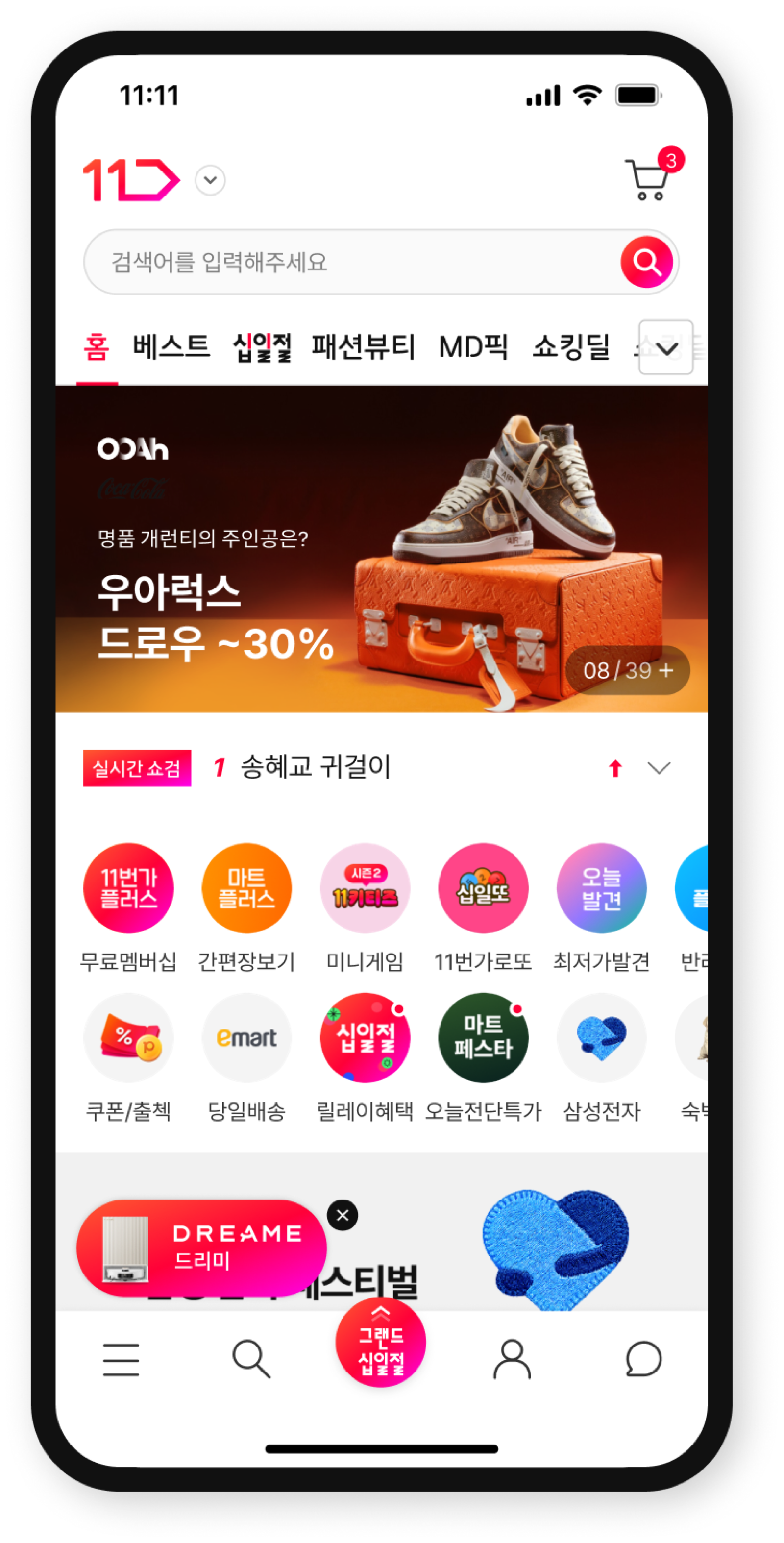
11st is a Korean open marketplace rather than a single-category retailer. That distinction matters for creators: you are not limited to one narrow product story. Depending on what is active and suitable for your audience, you can build content around areas such as beauty, fashion, food, home essentials, electronics, hobbies, gifts, or everyday shopping.
The catalog breadth creates opportunity, but it also creates a focus problem. A generic post that says 11st sells many things gives readers little reason to click. Strong content starts with a specific shopper, need, or occasion, then uses 11st as the place to explore relevant options.
- A beauty creator might explain how to compare products for a particular routine or skin concern.
- A K-culture publisher could organize merchandise or gift ideas around a timely interest.
- A technology reviewer might build a buyer checklist before presenting a shortlist.
- A lifestyle creator could create seasonal shopping guides for moving, travel, school, or holidays.
- A deal-focused publisher might translate and explain promotions for an audience that needs context.
Do not confuse three different partner paths
Search results for 11st partnerships can point to several types of programs. They may look similar because each involves referrals or marketing, but the participant, action, and reward can be different. Confirm that you are viewing the opportunity intended for publishers or creators before you apply.
| Path | Typical participant | Main activity | What to verify |
|---|---|---|---|
| Affiliate or publisher opportunity | Creator, media site, blogger, or performance publisher | Send shoppers to relevant products or marketplace pages | Current application route, permitted traffic, tracking, and reward terms |
| Seller referral promotion | Existing and prospective marketplace sellers | Refer a business that lists and sells products | Campaign dates, seller eligibility, and completion milestones |
| Advertising or brand partnership | Merchant, advertiser, or brand | Buy exposure or operate a branded commerce campaign | Media formats, campaign scope, and business contact process |
This distinction protects both your application and your audience. A creator should not describe a temporary seller incentive as a general affiliate benefit, and a publisher opportunity should not be presented as an advertising service for merchants.
Who is a good fit for the 11st opportunity?
Start with audience behavior, not follower count. The opportunity is more promising when people already come to you for shopping decisions related to Korea, product comparisons, trend interpretation, or practical buying guidance. You should be able to explain why a reader would choose your content before visiting a large marketplace directly.
Strong audience signals
- Your posts about Korean beauty, fashion, entertainment, food, or lifestyle already attract saves, clicks, or detailed questions.
- Your audience appreciates translations, product context, sizing guidance, category education, or comparison frameworks.
- You publish evergreen buying guides as well as timely deal or launch coverage.
- You can send traffic from an established website, newsletter, social channel, video channel, or shopping community.
- You are comfortable disclosing commercial relationships clearly and keeping promotional claims accurate.
Reasons to pause before applying
The program may be a weak fit if your audience has no clear interest in Korean commerce, if you rely on copied product feeds, or if your plan depends entirely on paid traffic that may not be permitted. It is also worth waiting if you cannot explain how you will evaluate products or help readers choose. Marketplace scale is not a content strategy by itself.
How to prepare a stronger application
A reviewer should be able to understand your channel in a few minutes. Prepare a short, evidence-based description instead of broad promises about reach. Use recent examples that show product discovery, education, and audience trust.
- Define one audience. Describe who follows you, what they want to buy, and why Korean marketplace products are relevant.
- Choose two or three content formats. For example, use a detailed comparison article, a short-form demonstration, and a newsletter shortlist rather than claiming you will post everywhere.
- Collect performance evidence. Bring recent traffic, engagement, click, or conversion indicators that match the proposed formats. Small but relevant results are more useful than unrelated vanity metrics.
- Show representative work. Select a few polished URLs that demonstrate original commentary, clear disclosures, and helpful product context.
- Outline your first campaign. State the topic, reader problem, content asset, distribution channel, and measurement plan.
- Review compliance. Be ready to explain how you handle affiliate disclosures, brand terms, prohibited claims, and content updates.
Keep your application specific but flexible. You can propose an initial angle without assuming that every product, link type, or promotion will be available after approval.
Promotion ideas that add real value
The most durable affiliate content reduces decision effort. Instead of repeating a product listing, add selection criteria, use cases, trade-offs, or cultural and language context. These approaches can work across articles, video, social posts, and email.
Build a decision guide
Start with the questions a buyer should answer before shopping: budget, intended use, compatibility, materials, size, routine, or delivery needs. Then group products around those decisions. This format remains helpful even when individual listings change.
Create a themed shortlist
A tightly edited shortlist is stronger than a page of unrelated links. Choose a theme such as practical K-beauty gifts, compact home upgrades, study essentials, or beginner-friendly hobby supplies. Explain who each selection is for and the limitation a buyer should consider.
Translate the shopping context
International or non-Korean-speaking audiences may need help understanding marketplace navigation, product terminology, promotion mechanics, or seller information. Explain what readers should check without promising that a particular language, payment, shipping, or regional option is universally available.
Use timely content carefully
Seasonal campaigns and marketplace events can create urgency, but every date, price, and availability claim needs a final check before publication. Add an update date to time-sensitive content and remove expired claims promptly.
Verify the live terms before you publish
Commercial details are operational, not permanent editorial facts. After opening the 11st opportunity in InfluencerRate, review the current terms and keep a private checklist. If something is unclear, resolve it before putting time or budget into promotion.
- Confirm who may apply and whether your location and channel type are eligible.
- Check permitted and restricted promotional methods, including social, email, search, coupons, and paid media.
- Review which products, orders, or customer actions qualify.
- Confirm the current reward structure, tracking rules, validation process, and payment conditions.
- Check whether product-level links, creative assets, or feeds are available to your account.
- Understand how cancellations, returns, self-referrals, bulk buying, or reseller activity are treated.
- Record the date you checked the terms and review them again before major campaigns.
Do not copy a rate or tracking window from an old blog post into your content. Even a page that ranks well can describe a previous network arrangement, a different region, or a campaign that has already changed.
A practical first-campaign plan
Begin with one focused asset and a short learning cycle. Choose a topic where you already understand the reader and can judge product relevance. Publish the core guide, distribute it through one or two established channels, and watch what readers do rather than rushing to scale.
- Pick one intent: comparison, gift discovery, problem solving, trend explanation, or promotion coverage.
- Create one useful destination: a guide, video, or landing page that answers the decision before presenting links.
- Add clear disclosures: place them where readers will see them before or near commercial links.
- Measure qualified behavior: track clicks, engaged reading, saves, questions, and approved outcomes where reporting permits.
- Review after a meaningful sample: improve the topic, product grouping, call to action, or channel based on evidence.
Scaling should follow proof of audience fit. If readers click but do not continue, the issue may be the shopping context or product match. If content gets attention but few clicks, strengthen the transition from education to the next useful action.
Frequently asked questions
Where should I apply for the 11st affiliate program?
Create or sign in to your InfluencerRate account, open the live 11st opportunity, and follow the application steps shown there. This keeps your application tied to the currently available route rather than an outdated third-party instruction.
How much can an 11st affiliate earn?
Earnings depend on current terms, eligible outcomes, traffic quality, content fit, and audience purchase behavior. Review the live opportunity for the applicable reward details and build forecasts from conservative conversion assumptions rather than headline rates.
Can social media creators apply?
Potentially, but accepted channel types and promotional methods can change. Present the social account, audience, content examples, and campaign approach clearly, then confirm eligibility in the live opportunity before publishing promotional links.
Is the seller referral campaign the same program?
No. A seller referral campaign rewards marketplace sellers for bringing in new sellers who complete specified milestones. An affiliate or publisher opportunity is designed around referring shoppers or other qualifying customer activity under its own terms.
What should I publish first?
Choose a narrow guide that solves a real shopping decision for your existing audience. A well-explained comparison or themed shortlist is usually more useful than a broad introduction to everything sold on the marketplace.
Next step
If your audience already shows interest in Korean products or practical marketplace discovery, prepare your best content examples and a focused campaign idea. Register with InfluencerRate, review the current 11st opportunity, confirm the live terms, and apply with a plan that shows exactly how you will help shoppers make better decisions.


